
 A reader sent an email today with these questions:
- If Jesus died in the place of others, why does everyone else also die?
- If the penalty for sin is hell forever, and if Jesus paid the penalty for all the sins of the world, why is Jesus not the only one in hell forever?
- Did God punish Jesus by making him die and go to hell, or did God reward Jesus by raising him up from death and lifting him up to heaven?
- If Jesus died on a Friday afternoon and rose from the dead by the next Sunday morning, was the penalty for all the sins of the world less than two days dead?
- If God punished Jesus for all the sins of others by making him die on a cross, why are Judas Iscariot, Pontius Pilate, and Caiaphas not all heroes and saints for fulfilling the will of God?
- If people should rejoice at the suffering and death of Jesus, as if his pain were their gain, should they mourn his resurrection and ascension, as if his gain is their pain?
- If we live because Jesus died, do we die because Jesus rose to live again?
- If people go to heaven because Jesus went to hell, do people go to hell because Jesus went to heaven?
- Did the crucifixion of Jesus cancel the sins of others, or was it really the worst sin of all?
- Would God be just if He punished the innocent in place of the guilty?
- If Jesus paid the penalty for all the sins of others, and salvation in unconditional, is not everyone saved, no matter what he believes, says, or does?
- If the purpose of Jesus was to die, why did his story not end with his death?
- If good deeds make no difference, because no one can earn salvation, why did Jesus say so much about what persons should and should not do?
- How could the penalty for sins be paid hundreds of years before those sins were done?
- If Jesus, like a scapegoat, took away our sins when he died, did he bring back our sins when he came back from the dead?
- How could Jesus be a substitute to go in our places and also be a leader and example whom we should follow?
- If we do not follow Jesus, but he goes one way so that we can go another way, how do we expect to end up where he is?
- If Jesus were God, and God demanded that Jesus die to pay the penalty for the sins of everyone else, did God commit suicide?
As I read through these excellent questions about the death of Jesus, I realized that I couldn’t answer ANY of them because I didn’t accept the presuppositions that were within each question.
 For example, with question #1, I do not believe Jesus died in the place of others. I do not believe in “substitutionary” atonement.
With question 2, I do not believe that the penalty for sin is hell forever.
With question 3, I do not believe that God punished Jesus by making him die and go to hell…
And so on throughout the list of questions….
This is the problem with the vast majority of theology today. We are asking wrong questions because we are beginning with wrong ideas about God, Jesus, sin, and hell.
All of the questions above disappear when we learn just a few things from Scripture. Like what?
- God does not require punishment for sin, or blood payment to forgive.
- God is infinitely gracious, forgiving, and loving.
- Jesus didn’t die to appease God or buy forgiveness from God.
- Hell isn’t what you think…
Start with those ideas, and the way you read and understand the Bible will forever be transformed. If you want help, here are three books to get you started:
- (#AmazonAdLink) The Atonement of God
- (#AmazonAdLink) Nothing But the Blood of Jesus
- (#AmazonAdLink) What is Hell?
Enjoy!

 Rather than being fit for planting, the field of their life is only full of thorns and briars, which are the cares, riches, and pleasures of this world, so that any seed which is planted would get choked rather than produce a harvest (cf. Luke 8:4-15).


 The word indignation (Gk., zēlos) could also be translated as “zeal” or “jealousy” (cf. Rom 13:13; 1 Cor 3:3). The word itself usually refers to a sinful attitude (2 Cor 12:20; Gal 5:20; Jas 3:14, 16), though there is a form of godly jealousy (2 Cor 7:11; 11:2).
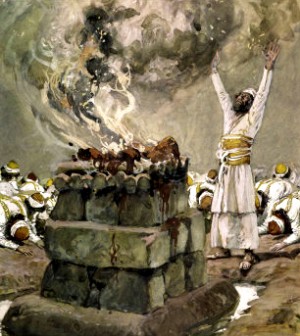 The sacrificial system was based on fear, accusation, blame, and scapegoating, and Jesus came to set us free from all such things. But if one rejects the revelation in Jesus, then the only other option is to return to that broken and sinful system.
 In other Greek literature, it most often refers to helping someone who has been wronged by assisting them against those who committed the wrong. It is giving the offender what he deserves by doing to him what he did to others.
 It is teaching that those who abandon Jesus after believing in Him and receiving the knowledge of the truth that He reveals will experience many negative and harmful consequences in their life.

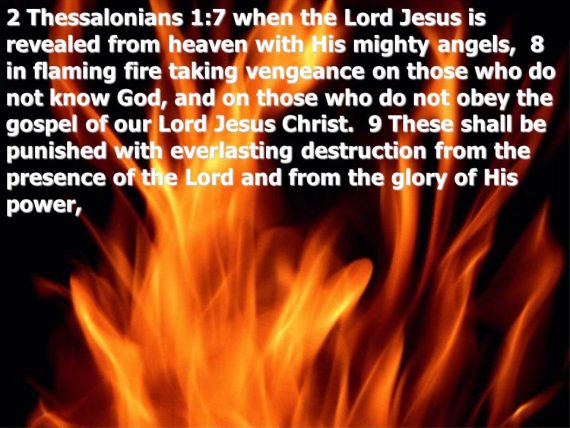 When considered by itself out of context, 2 Thessalonians 1:8-9 seems to conclusively state that God punishes and destroys people forever with flaming fire.

 The word “punishment” is not a good translation of what Paul wrote. A better translation would be “pay the penalty” (Gk., dikēn tisousin). God does not punish people for their sin, but sin bears its own punishment with it. And this punishment of sin can come in the form of a penalty that must be paid or exacted.
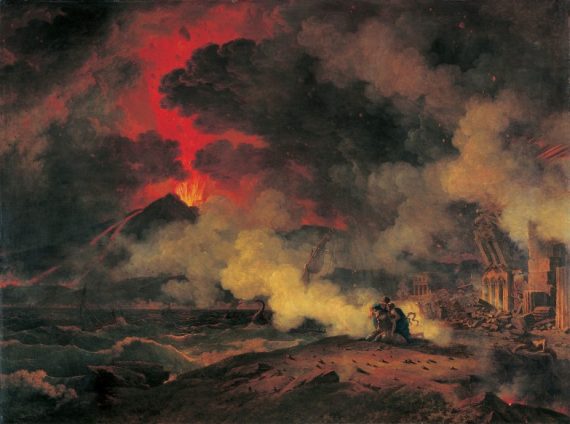 It can even come upon believers at the Judgment Seat of Christ when they see everything they have worked for and sought after get burned up as wood, hay, and stubble (1 Cor 3:12-15; cf. “the Day” of 2 Thessalonians 1:10).

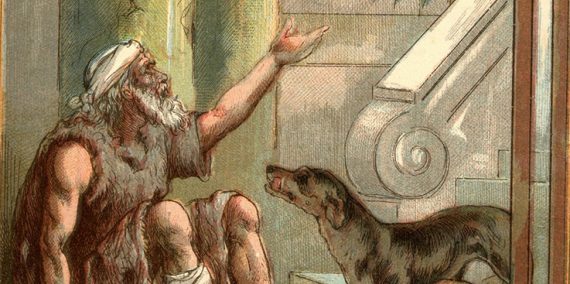
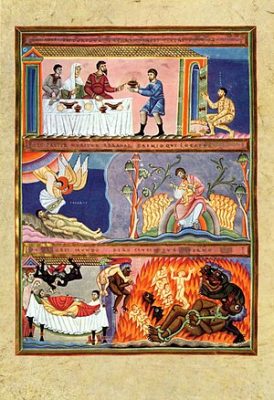 Luke 16:19-31 contains the portrayal of a man being tormented in flames, who cries out for just a drop of water to cool his burning tongue (cf. Luke 16:23-24). When most people think of hell, this is the sort of image they have in mind.
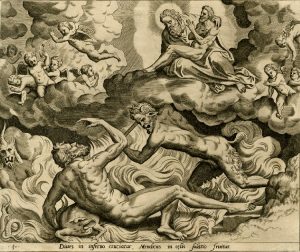 The fact that Jesus refers to it in this story should not be read as an endorsement of the idea, but as a way of using a common image from that culture to make a theological point.



 The first reason is that the images of worms and the fire cannot both be taken literally. Indeed, those who see the reference to fire in Mark 9:42-48 as a reference to literal flames in hell do not typically understand the reference to worms in a literal way. Instead, they interpret the worms metaphorically, as a symbol of intense remorse or regret.
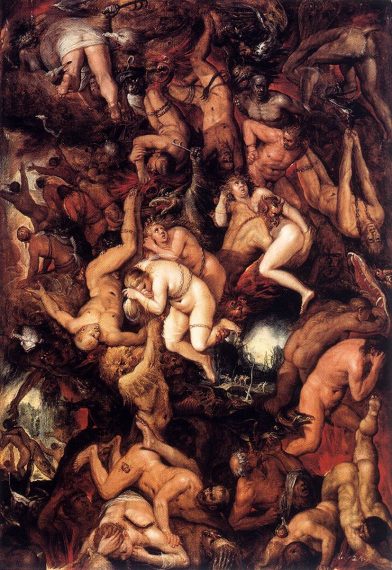 Part of this everlasting worship of God includes the ability to “go forth, and look upon the corpses of the men” who transgressed against God, “for their worm does not die, and their fire is not quenched” (Isa 66:24).
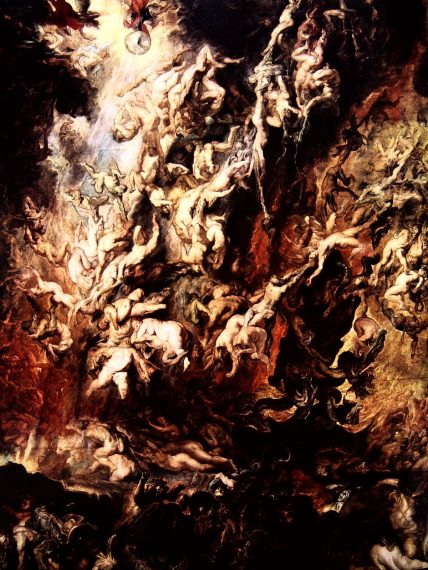 And who are these “corpses” we will look upon? There are all the people of human history, including ourselves. We will be able to view human history, and how we have all lived at various times in the kingdom of hell, which is the realm of death and darkness, the world of worm and fire.