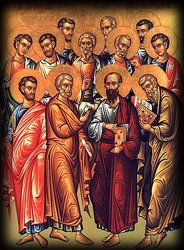
When leaders of the early church gathered in 397 AD to select which books should be included in the Bible, one of the things they were trying to do was provide themselves and following generations with an accurate and authoritative collection of books by which we could know the truth of God.
Ironically, they may have ended up doing exactly the opposite.
One of the criteria they used to select which books to include in the Bible is inerrancy. That is, does the book under consideration contain factual or theological errors? If they felt it did, they rejected it.
This practice raises some interesting issues with inerrancy. Let’s look at these below.
What is a Theological Error?
The first issue is how the early church decided what constituted an error. Prior to this time, they did not have an officially recognized or approved list of New Testament books to compare with. All they had were the Hebrew Scriptures of the Old Testament, and their own ideas about what was “correct theology.”
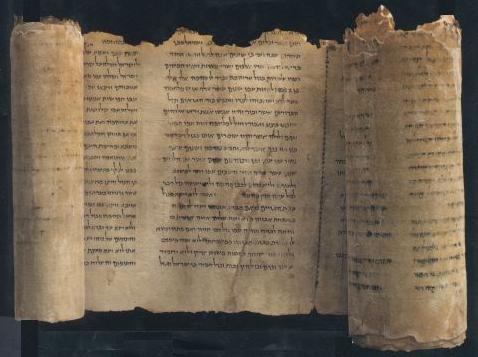
 . They make for interesting reading. While some of them sound very similar to what we read in the New Testament, most do not, especially some of the stories about the childhood years of Jesus as found in the Gospel of Thomas.

 Jesus is the greatest example in Scripture on how to live according to the will of God.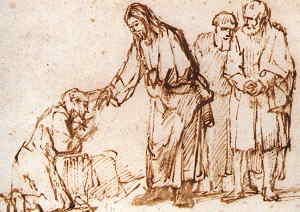



 I have thought about this way of reading Scripture for a few years now, and while I like that it upholds the accuracy and truthfulness of Scripture, I just cannot accept it as a right way to read Scripture. If the Bible is nothing more than an accurate record of inaccurate ideas, how does it help us at all? It would be useless.