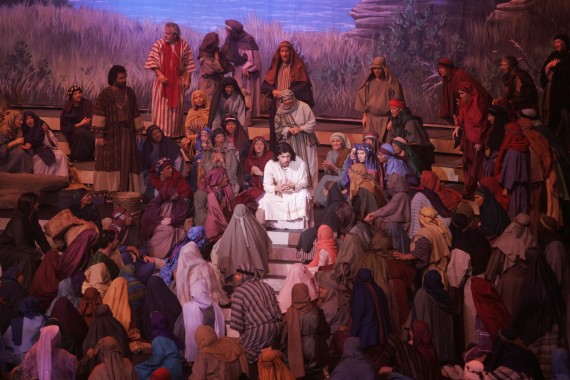
 Yesterday, we looked at the teaching method of Jesus, and saw that His preaching method differed from His teaching. Just as we learned when we looked at the definition of preaching, His preaching was to mixed multitudes of people, often proclaiming the arrival of the Kingdom of God, and then answering questions and objections related to this announcement. Often, the answers were given in the form of parables and miracles.
Teaching, however, was in smaller settings, to groups of disciples or others who wanted to learn Scripture, and focused on explaining and applying the Bible for the audience. This setting also contained interactive questions and answers brought out by the text of Scripture.
How did the Apostles Preach and Teach?
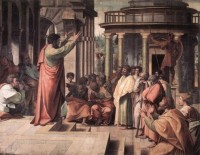
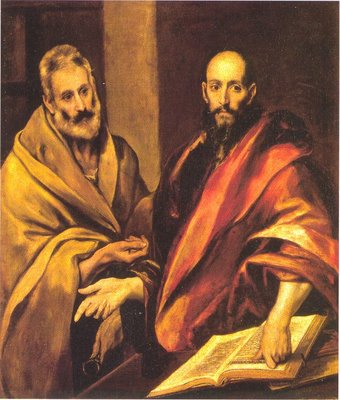
Not surprisingly, after Jesus ascended into heaven, the apostles who had been with Jesus seem to have followed the example of Jesus in their own preaching and teaching.
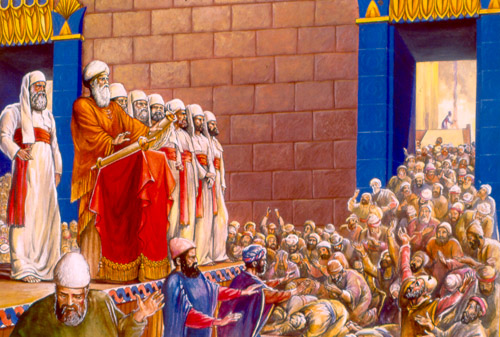
Using books of the Bible as their primary texts, and following a set pattern, one person would read the text in Hebrew, and another would interpret it into Greek, and then the text would be explained and applied (cf. Acts 2:42; 13:14-15; 14:1-3; 15:21; 18:4; 19:8-10; etc.). John Lightfoot, in his Commentary on the New Testament from the Talmud and Hebraica
[Read more…]