
 Every time I enter a building where a church meets, I am reminded of something one of my seminary professors said: “First we make our buildings; then our buildings make us.” It seems that far too often, a church is formed and influenced more by its buildings than by Scripture or even Jesus Christ. We defend our buildings and what we do in them more than we defend the fatherless, the widows, the poor, the hungry, and the destitute.
A church that might begin in simplicity, with fellowship and service being the focus of their community, radically changes once it constructs a building. It now becomes focused on filling the pews, upgrading the sound system, paving the parking lot, and paying the mortgage. Whereas before the church used to go the community and get involved in their events, now the church invites the community to the church building to attend the church events.

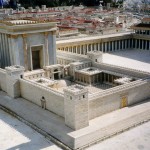
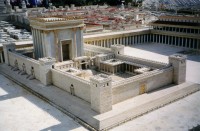 In the days of Jesus, the Jewish people believed in a form of incarnation. They did not believe that God could become a man, but that heaven and earth connected at the Temple in Jerusalem. God, for the Jewish person, dwelled in some sense in the temple. The temple was seen as the central incarnational symbol of Jewish life.