Redeeming God

Liberating you from bad ideas about God

Join the discipleship group
  • Join Us!
  • Scripture
  • Theology
  • My Books
  • About
  • Discipleship
  • Courses
    • What is Hell?
    • Skeleton Church
    • The Gospel According to Scripture
    • The Gospel Dictionary
    • The Re-Justification of God
    • What is Prayer?
    • Adventures in Fishing for Men
    • What are the Spiritual Gifts?
    • How to Study the Bible
    • Courses FAQ
  • Forum
    • Introduce Yourself
    • Old Testament
    • New Testament
    • Theology Questions
    • Life & Ministry

Theology is Boring?

By Jeremy Myers
20 Comments

Theology is Boring?

One of the greatest tragedies in the church today is that so many people think theology is boring.

I have even encountered people who think that โ€œtheologyโ€ is a Christian curse word. They seem to think that one can either have Christian love or Christian theology, but not both.

What they fail to realize is that this idea itself is a theological belief, and a sadly mistaken one at that. Itโ€™s just poor theology to think that Christian love and Christian theology cannot co-exist. I am convinced that true Christian theology, when rightly taught and understood, will lead to Christian love.

The foundation of Christian love IS Christian theology.

If someone wants to reject Christian theology as dry, dusty, boring, and irrelevant for modern life, they should at least make some effort to learn what it is they are rejecting before they reject it. I find that most people who reject theology as irrelevant have never really taken the time to learn any real theology.

The emphasis there is on โ€œreal.โ€

boring theologyLots of people think they know what Christian theology is, when in reality, they only know some popularized, week-kneed, insipid form of theology that does not reflect real Christianity at all. Of course they’re bored, if this is what they think real theology is!

One of my favorite theologians is Dorothy Sayers, and in her book Letters to a Diminished Church, she perfectly summarizes this popularized (but completely false) version of Christian theology as follows:

Q: What does the church think of God the Father?
A: He is omnipotent and holy. He created the world and imposed on man conditions impossible of fulfillment; he is very angry if these are not carried out. He sometimes interferes by means of arbitrary judgments and miracles, distributed with a good deal of favoritism. He likes to be truckled to and is always ready to pounce on anyone who trips up over a difficulty in the law or is having a bit of fun. He is rather like a dictator, only larger and more arbitrary.

Q: What does the Church think of God the Son?
A: He is in some way to be identified with Jesus of Nazareth. It was not His fault that the world was made like this, and, unlike God the Father, He is friendly to man and did His best to reconcile man to God (see Atonement). He has a good deal of influence with God, and if you want anything done, it is best to apply to Him.

Q: What does the Church think of God the Holy Ghost?
A: I don’t know exactly. He was never seen or heard of till [Pentecost]. There is a sin against Him which damns you forever, but nobody knows what it is.

Q: What is the doctrine of the Trinity?
A: The Father incomprehensible, the Son incomprehensible, and the whole thing incomprehensible. Something put in by theologians to make it more difficultโ€”nothing to do with daily life or ethics.

Q: What was Jesus Christ like in real life?
A: He was a good manโ€”so good as to be called the Son of God. He is to be identified in some way with God the Son (q.v.). He was meek and mild and preached a simple religion of love and pacifism. He had no sense of humor. Anything in the Bible that suggests another side to His character must be an interpolation, or a paradox invented by G. K. Chesterton. If we try to live like Him, God the Father will let us off being damned hereafter and only have us tortured in this life instead.

Q: What is meant by the Atonement?
A: God wanted to damn everybody, but His vindictive sadism was sated by the crucifixion of His own Son, who was quite innocent, and therefore a particularly attractive victim. He now only damns people who donโ€™t follow Christ or who never heard of Him.

Q: What does the Church think of sex?
A: God made it necessary to the machinery of the world, and tolerates it, provided the parties (a) are married, and (b) get no pleasure out of it.

Q: What does the Church call Sin?
A: Sex (otherwise than as excepted above); getting drunk; saying โ€œdamnโ€; murder, and cruelty to dumb animals; not going to church; most kinds of amusement. โ€œOriginal sinโ€ means that anything we enjoy doing is wrong.

Q: What is faith?
A: Resolutely shutting your eyes to scientific fact.

Q: What is the human intellect?
A: A barrier to faith.

Q: What are the seven Christian virtues?
A: Respectability; childishness; mental timidity; dullness; sentimentality; censoriousness; and depression of spirits.

Q: Wilt thou be baptized in this faith?
A: No fear!

As I teach and write about Scripture and theology, I have discovered that the above descriptions perfectly represent the theology of many Christians.

When I teach about Genesis 1โ€“2 and science, people get upset that I am seeking to understand these passages in a way other than the one endorsed by the Creation Science Institute (which really isnโ€™t science at allโ€ฆ)

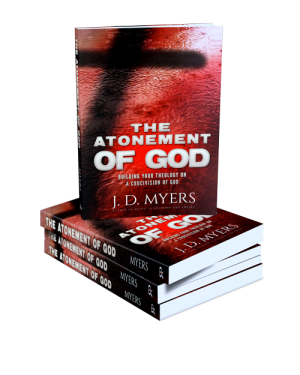
When I write in my book The Atonement of God that God was not angry about sin, and did not need Jesus to die so that we could be forgiven, people get upset that I am presenting a God who looks and acts just like Jesus Christ instead of like a Hitlerian Zeus.

When I write about sexual innuendos in the Bible, I get nasty emails from people about how I have succumbed to the sexualized culture of modern America. Donโ€™t I know that sex if of the devil except in the case of procreation?

Anyway โ€ฆ one of the early goals of my writing and blogging was to โ€œBring Scripture and Theology to Life.โ€ This had a double meaning: I not only seek to teach Scripture and Theology in a lively way, but also so that people learned how Scripture and Theology affected their lives today.

I hope I am accomplishing this through my blogging, my books, and my podcast. Very soon I will be adding some theology courses on my blog as well โ€ฆ Stay tuned for more details!

Affiliate Disclosure: As an Amazon Associate I earn from qualifying purchases. Thank you for supporting my work in this way!

God is Redeeming Theology Bible & Theology Topics: Books I'm Reading, love, theology

Advertisement

Get a Crucivision of God

By Jeremy Myers
6 Comments

Get a Crucivision of God

My new book,ย The Atonement of God,ย has the subtitle “Building Your Theology on a Crucivision of God.”

A few people have emailed me or messaged me on Facebook to ask if this is a typo. It is not.

I coined the word to describe what I am trying to do in the book. I want you to gain a vision of God which is based on the crucifixion of Jesus.ย I put the wordsย “vision” and “crucifixion” and together and out came “crucivision.”

I did this because I wanted to present a cross-shaped, or cruciform, presentation of God.

There are twoย commonย approaches to understanding God from Scripture.

The Chronological Approach to God

Some take the chronological approach, so that they begin with Genesis 1:1 and work their way through Scripture trying to piece all the ideas about God into one coherent picture.

Janus faced GodBut since the way God behaves in the Old Testament looks much different from the way God behaves in the revelation of Jesus Christ, the chronological approach to learning about God leaves us with what Greg Boyd calls a “Janus faced God.” Janus was the two-faced God of Roman mythology where one side was kind and loving and the other side was mean and angry.

Just as the Romans never knew which face of Janus was going to show up at any one time, this is how many people feel about God when they adopt a chronological approach to the revelation of God in Scripture.

It is a “He loves me; He loves me not” approach to God. We can never be sure exactly where we stand with God, or whether He currently hates us and wants to incinerate us or loves us and wants to be with us.

I would say that most of Western Evangelical Christianity currently falls into this sort of view of God.

The Christological Approach to God

Since many people see that the God revealed in Jesus is often different than the God revealed in the Hebrew Scriptures, some people say that the revelation of God in Jesus Christ trumps the revelation of God in the Old Testament, and wherever the two disagree, the revelation of God in the Old Testament is wrong.

This view is better than the Chronological approach, but suffers from a different set of problems.

The main problem with this view is that those who hold a Christological approach sometimes simply write off much of the Old Testament revelation of God as being hopelessly in error. Since Jesus is the main revelation of God in this view (which I agree with), they sometimes then go on to say that anything in the Old Testament which doesn’t look like Jesus is therefore an error. It seems that ultimately, what this does is set humans up as judge over Scripture to determine what is “true” and what is “error.”

I am not comfortable with this approach to Scripture at all. While I do believe that Jesus is the ultimate and most perfect revelation of God, I also believe all Scripture is inspired and inerrant. So out of my conviction of Scripture as being inspired and inerrant, and out of my desire to read Scripture through a Christological lens, I developed my Crucivision theology.

The Crucivision Approach to God

The crucivision approach to Scripture allows the revelation of Jesus to be the guide and lens by which we interpret the rest of the revelation about God in Scripture.

A crucivision approach to Scripture allows Jesus, and specifically the crucifixion of Jesus, to show us what God is really like.

Some have called this the Christotelic lens or the Cruciform reading of Scripture, but I prefer Crucivision because it shows us that it is not just Jesus Christ who provides us a way of reading the Old Testament texts about God, but is specifically Jesus Christ on the cross that helps us see God in a whole new light.

The atonement of GodOnce we see that God is most fully revealed in Jesus Christ, and especially in Jesus Christ dying on the cross, this then begins to cause great changes in how we read and understand the rest of the Old Testament. We see that what God was doing in Jesus Christ on the cross is exactly what God has always been doing in Himself on the pages of the Hebrew Scriptures.

Jesus is not then in discontinuity with the revelation of God in the Old Testament, but is rather the most clearest example of how to read about God in the Old Testament.

Gaining a Crucivision of God helps us understand not only God, but also ourselves, sin, forgiveness, justice, and a whole host of other theological topics. I cover 10 of these in my book.

To learn more about this way of reading Scripture and gain a Crucivision theology, buy my book on Amazon today.

How do you understand the violent portions of Scripture? Is this really how God is? Did Jesus hide this aspect of God from us during His three years of earthly ministry? Or maybe you have a way of reading the Bible through the lens of Jesus Christ which maintains that God is always loving, always forgiving, and always kind? Add your thoughts in the comment section below.

Affiliate Disclosure: As an Amazon Associate I earn from qualifying purchases. Thank you for supporting my work in this way!

God is Redeeming Theology Bible & Theology Topics: Christology, crucifixion of Jesus, cruciform, crucivision

Advertisement

10 Ways the Non-Violent God Changes Your Life and Theology

By Jeremy Myers
21 Comments

10 Ways the Non-Violent God Changes Your Life and Theology

My new book on the Non-Violent Atonement was released yesterday. It is called The Atonement of God, and you can (#AmazonAdLink) buy it on Amazon.

The bookย begins with a summary of threeย views on the atonement, and then I define and defend a fourth view, which is a Non-Violent view of the atonement.

The basic idea of a Non-Violent view of the atonement is that God did not want or need the death of Jesus in order to offer grace or forgiveness of sins. Yes, Jesus died a violent death, but it was not to satisfy an angry God. Instead, Jesus died for completely different reasons (which are explained in the book).

(#AmazonAdLink) The atonement of GodFollowing this explanation of the Non-Violent atonement, I provide 10 areas of theology that are affected by the Non-Violentย atonement.

Here they are with a brief summary of each.

1. The Non-Violent Atonement Brings Continuity to the Life of Jesus

Everything Jesus did was Non-Violent. Yes, Jesus was aggressive, but He never harmed another human being, or encouraged others to do so. A Non-Violent atonement helps us see that Jesus what Jesus accomplished on the cross was right in line with the way He lived the rest of His life as well.

2. The Non-Violent Atonement Reveals the Truth about God

Does Jesus fully reveal God to us or not? Jesus claimed that He did, and other New Testament writers believed so as well John 1:14, 18; 14:9-11; 2 Cor 4:4; Php 2:6; Col 1:15; Heb 1:2-3.

But if God is violent, and Jesus does not reveal the violent side of God to us, this means that Jesus is a faulty revelation of God. The better option is to believe that Jesus does reveal God to us, and God looks just like a Non-Violent Jesus.

3. The Non-Violent Atonement Reveals the Truth about Scripture

But if God is Non-Violent like Jesus is Non-Violent, then what are we to do with all the violent portrayals of God in Scripture? I do not write them off as hopelessly in error. I continue to hold to an inerrantist position on Scripture, and argue that the violent portrayals of God in Scripture accurately reveal the heart of man instead of the heart of God.

Non-Violent atonement

4. The Non-Violent Atonement Reveals the Truth about Sacrifice

If Scripture reveals the heart of man instead of the heart of God, then this helps us make sense of the conflicting statements in Scripture about sacrifice. God does not want sacrifice and never did. We wanted it.

5. The Non-Violent Atonement Reveals the Truth about Humans

The truth from Scripture is that God is not violent, but humans are. We are the violent ones. And we justify our violence by blaming it on God.

6. The Non-Violent Atonement Reveals the Truth about Sin

The reason God tells us not to sin, is not because He is angry at us about sin, or will be angry with us if we sin. No, God tells us not to sin because in hurts and damages us. He loves us and does not want to see us hurt.

atonement of God

7. The Non-Violent Atonement Reveals the Truth about Forgiveness

God’s forgiveness has always been completely free. There have never been any conditions for God’s forgiveness. God does not need sacrifice in order to extend forgiveness. He simply forgives, just as Jesus does on the cross.

8. The Non-Violent Atonement Reveals the Truth about Justice

Christians often teach that “God is a God of love and forgiveness, but He is also a God of justice.” This chapter shows how wrong that idea is. Unconditional love and forgiveness are incompatible with justice. You can have one or the other, but you cannot have both.

9. The Non-Violent Atonement Reveals the Truth about Violence

As we begin to bring the book to a close, this chapter shows why God inspired a book (the Bible) which is so full of violence. The reason is because violence is such a huge human problem, God wanted to reveal that we humans are the source and cause of violence. We are in desperate need of this revelation from God, which is why God gave us the Bible.

10. The Non-Violent Atonement Reveals the Way to Peace

But if the violence is the problem, then peace is the cure. The Bible doesn’t just tell us that we are violent, but also shows us the way to peace, which is the way of love and forgiveness.

I am really excited about this book. Studying about the Non-Violent atonement and writing this book transformed my theology, and I know that if you read it, your life and theology will also be transformed. (#AmazonAdLink) Get your copy today on Amazon.

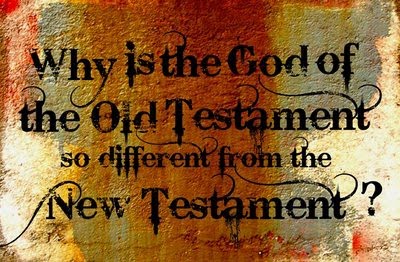
God of the Old Testament and JesusHow can a God who says "Love your enemies" (Matthew 5:44) be the same God who instructs His people in the Old Testament to kill their enemies?

These are the sorts of questions we discuss and (try to) answer in my online discipleship group. Members of the group can also take ALL of my online courses (Valued at over $1000) at no charge. Learn more here: Join the RedeemingGod.com Discipleship Group I can't wait to hear what you have to say, and how we can help you better understand God and learn to live like Him in this world!

Affiliate Disclosure: As an Amazon Associate I earn from qualifying purchases. Thank you for supporting my work in this way!

God is Redeeming Books, Redeeming Theology Bible & Theology Topics: atonement of God, Books I'm Writing, crucifixion, cruciform, death of Jesus, forgiveness, non-violent atonement, sacrifice, sin, violence of God

Advertisement

1 Year of Redeeming God

By Jeremy Myers
5 Comments

1 Year of Redeeming God

RedeemingGod.com is One Year old today! Yay!

And over the past year, do you know what I have realized?

This:

You are the BEST readers in the theology blogging world!

Seriously. I love you! Thank you for reading. Thank you for commenting. Thank you for subscribing. Thank you for supporting this site. Thank you. You are great.

I wish I could sit down over a cup of coffee to get to know each and every one of you.

Of course, that would take quite a bit of time since RedeemingGod.com had over 2,000,000 pageviews this past year from 1,279,414 readers.

RedeemingGod pageviews

That’s right, over 2,000,000 articles were read on RedeemingGod.com in the last 12 months.

I don’t say this to boast in the blog, but to boast in you. I am extremely grateful to have you as a reader of this blog. Whatever success this blog has, YOU have a big part in making it happen. So thank you!

But you know what I appreciate about you even more? That this isn’t a site for you to just read articles, but it is also a place where you share your own ideas and interact with each other. We have a growing and vibrant and diverse online community here.

I mean, there are over 26,000 comments on the blog.

RedeemingGod comments

While we don’t always agree on everything, we still discuss it and learn from each other. That’s why I love you!

So I am humbled and grateful. Thank you again!

I think that what this shows is that people are hungry for insights into the character of God and how to understand Scripture which do not chain them ever more tightly to religion.

If you are like most people in the community here, you love God, love Scripture, love theology, and love to follow Jesus in loving others, but are tired of the rules and lies and manipulation of religion.

online community

Thank you for being part of this growing movement of God in the world, and for joining me on this journey out of religion and into a closer relationship with Jesus in which we learn to love others as we have been loved.

Some highlights from this past year

I actually reduced the frequency of my blog posts.

For several years I was publishing 7 days a week. Then I reduced it to 5. When I started this blog, I dropped down to 2 per week. Recently I have been averaging only 1.

The reason for this is some of you mentioned that I was writing too much for you to keep up. I know you are busy, and it was too much to read 5-7 posts per week. Since I know you don’t want to miss anything, I reduced my publishing frequency.

But this enabled me to do other things.

Reducing my blogging frequency also gave me more time for writing books. In the past year, I wrote 4 full-length books. I hope to publish all 4 this year… My book on the atonement is coming out next week…

I also started a podcast. Actually, two podcasts. One is the One Verse Podcast, in which we are studying through Scripture one verse at a time. We are currently in Genesis 2, and I have over 500 years to go before we finish with the Bible. The other podcast is on Theology.fm. One of the Theology.fm episodes last week received 129 comments. Of course, about 120 of those were from one person…

Things to look for in this coming year

book writingI want to publish several books:
–The Atonement of God (Coming out next week!)
-Genesis 1 (100% written)
-The Unforgivable Sin (Revised and Expanded, 80% written)
-The Gospel According to Scripture (80% written)
-Pastoral Leadership (100% written)
-Close Your Church for Good (100% written)
-The Bible Mirror (20% written)
-Commentary on Esther (100% written)
-Jesus among Other Religions (10% written)
-A “Redeeming God” book series on the topic of divine violence (30% written)

I will not be able to publish all these in one year. I wish I could, but I simply don’t have the time or resources. Hopefully I can get out the 100% written books as they just need to be edited, typeset, and published.

I am also going to making some online theology courses available. Teaching is something I love to do and I want to share with you some of the things I have learned over the past 30 years of reading, studying, and teaching. I am going to start with a course on the Gospel. I am about half way through recording this course. So far, it includes 10 classes that average about 45 minutes each.

To get notified of these books and online theology courses, make sure you have signed up to receive my email newsletter.

Thanks for a great first year of RedeemingGod.com. I am looking forward to whatever God has for all of us in the year ahead.

Affiliate Disclosure: As an Amazon Associate I earn from qualifying purchases. Thank you for supporting my work in this way!

God is Redeeming Theology Bible & Theology Topics: Blogging

Advertisement

We do NOT serve a bloodthirsty God

By Jeremy Myers
12 Comments

We do NOT serve a bloodthirsty God

My new book on the atonement is almost out! One week to go…

I have about 30 people reading through portions of my book on the atonement right now. So far, the feedback has been encouraging. Nobody has the whole book (except my wife) and everybody who has read portions of it says they cannot wait to read the rest.

The atonement of God

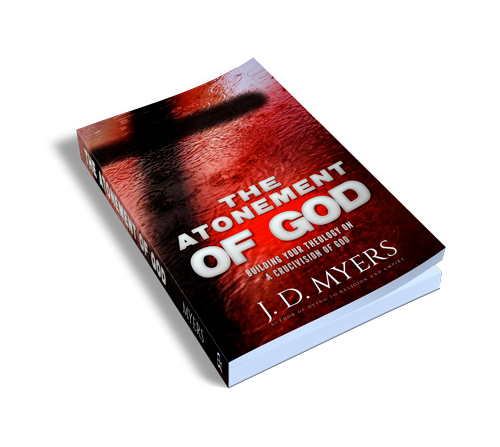
Though there appears to be blood all over the cover, the message of the book is that God does not demand or want blood, and Jesus did not die to appease a bloodthirsty God.ย In fact, the cross of Jesus reveals that God has never required blood to offer forgiveness of sins.

If you are curious how God can forgive sins and rescue us from death without demanding the bloody death of Jesus, you will want to read this book.

I have been reading, teaching, and writing A LOT these past several years on the violence of God in the Bible, and this book also provides the beginning place for understanding these violent, bloody texts in Scripture.

If you want to read a brief excerpt, Brad Jersak posted a bit of it on The Clarion Journal, his online theology blog. Click that link to go read it.

The book officially is released on March 21, so stay tuned for more information as we get closer!

Affiliate Disclosure: As an Amazon Associate I earn from qualifying purchases. Thank you for supporting my work in this way!

God is Redeeming Books, Redeeming Theology Bible & Theology Topics: atonement, blood, Books I'm Writing, death of Jesus, violence of God

Advertisement

  • « Previous Page
  • 1
  • …
  • 31
  • 32
  • 33
  • 34
  • 35
  • …
  • 82
  • Next Page »

My New Book is Out!

Get your copy on Amazon today!
Learn about the gospel and how to share it

Take my new course:

The Gospel According to Scripture
Best Books Every Christian Should Read
Study Scripture with me
Subscribe to my Podcast on iTunes
Subscribe to my Podcast on Amazon

Do you like my blog?
Try one of my books:

Click the image below to see what books are available.

Books by Jeremy Myers

My New Book is Out!

Get your copy on Amazon today!

Theological Study Archives

  • Theology – General
  • Theology Introduction
  • Theology of the Bible
  • Theology of God
  • Theology of Man
  • Theology of Sin
  • Theology of Jesus
  • Theology of Salvation
  • Theology of the Holy Spirit
  • Theology of the Church
  • Theology of Angels
  • Theology of the End Times
  • Theology Q&A

Bible Study Archives

  • Bible Studies on Genesis
  • Bible Studies on Esther
  • Bible Studies on Psalms
  • Bible Studies on Jonah
  • Bible Studies on Matthew
  • Bible Studies on Luke
  • Bible Studies on Romans
  • Bible Studies on Ephesians
  • Miscellaneous Bible Studies

Advertise or Donate

  • Advertise on RedeemingGod.com
  • Donate to Jeremy Myers

Search (and you Shall Find)

Get Books by Jeremy Myers

Books by Jeremy Myers

Schedule Jeremy for an interview

Click here to Contact Me!

Follow me on X

© 2026 Redeeming God · All Rights Reserved · Powered by Knownhost and the Genesis Framework